
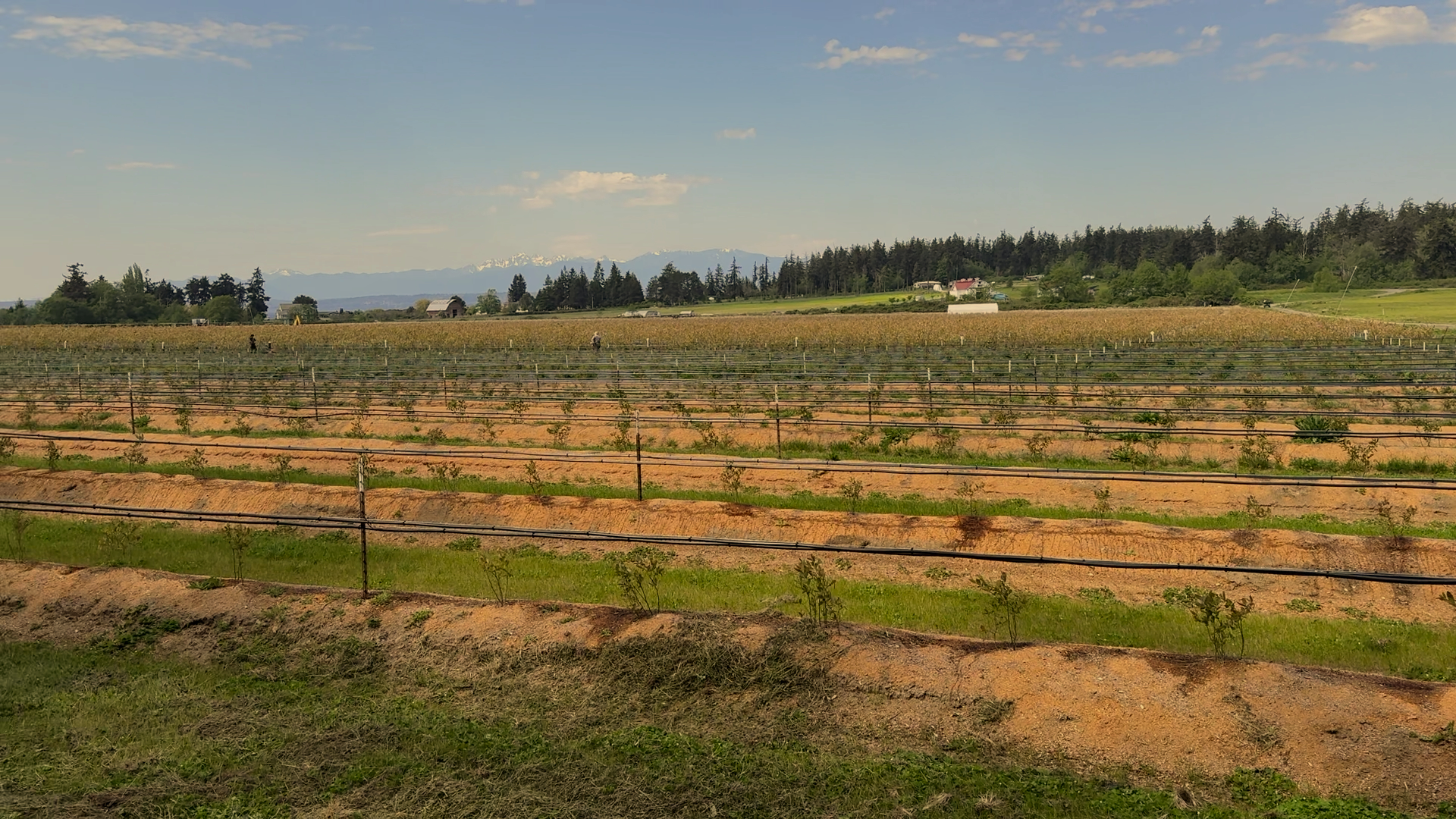
Building community composting on the island
We started Whidbey Compost Collective as a worker-driven nonprofit in 2022 to keep food scraps out of the landfill and turn them into compost for local farms and gardens. Now we run a growing network of drop-off kiosks and restaurant pickups on South Whidbey and partner with farms and businesses to host our processing sites.
The Problem with Food Scraps in the Landfill
Food scraps break down faster than almost anything else in a garbage can, which makes them easy to compost and a real problem in a landfill. In a compost pile, microbes use oxygen to turn them into stable soil amendments. Buried in a landfill, they're cut off from oxygen, and a different set of microbes takes over and produces methane, a greenhouse gas that traps many times more heat than carbon dioxide over its first 20 years in the atmosphere.
Municipal landfills are the third-largest source of human-caused methane in the United States. About a quarter of what goes into them is food, and it produces more of that methane than any other material. The EPA estimates that 58 percent of the methane escaping from municipal landfills comes from food scraps.
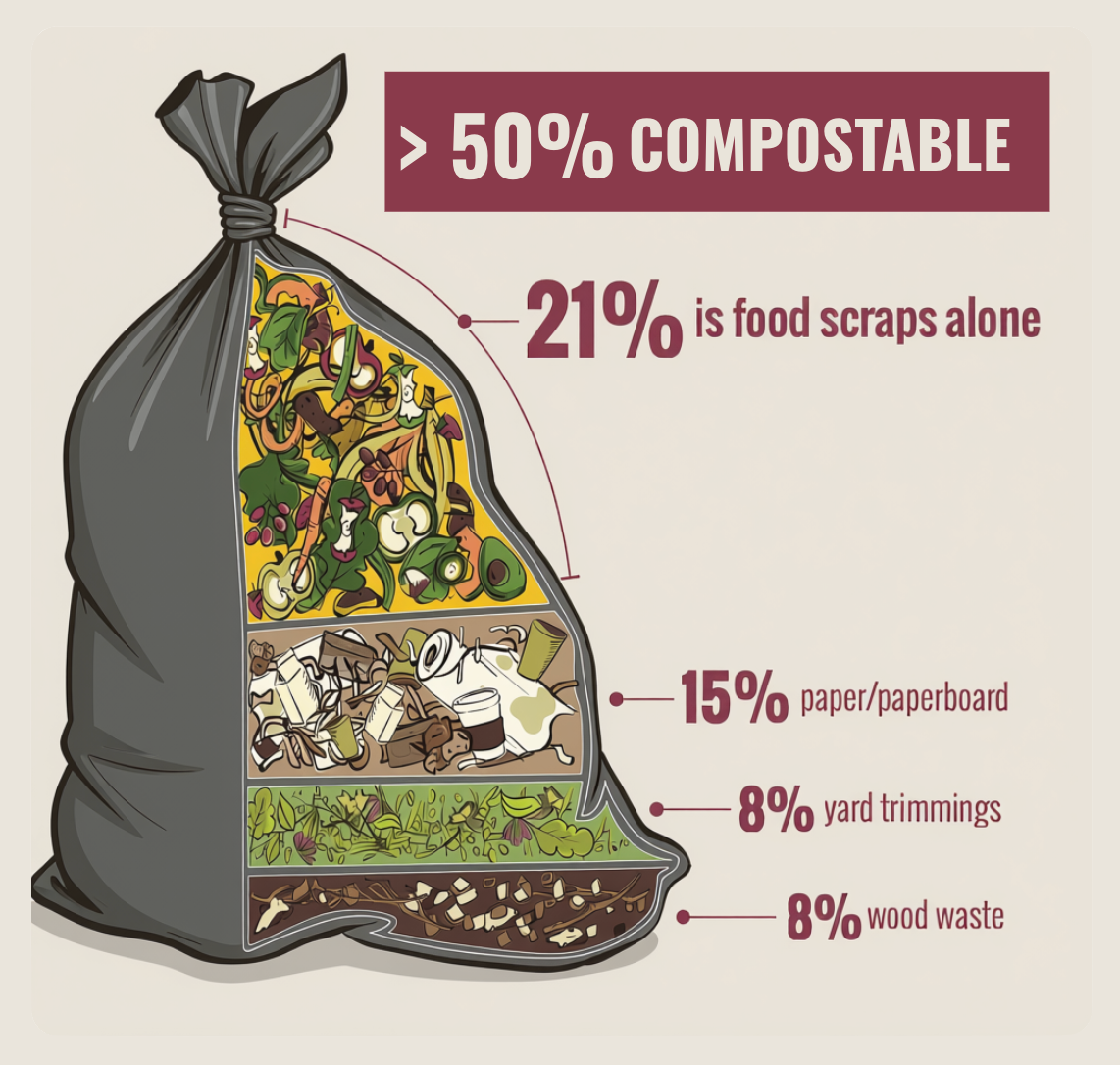
Over 50% of the typical municipal garbage put out on the curb is actually compostable.
No local collection
Island County doesn't currently offer curbside or commercial food scrap collection, so food scraps go out with the rest of the trash.
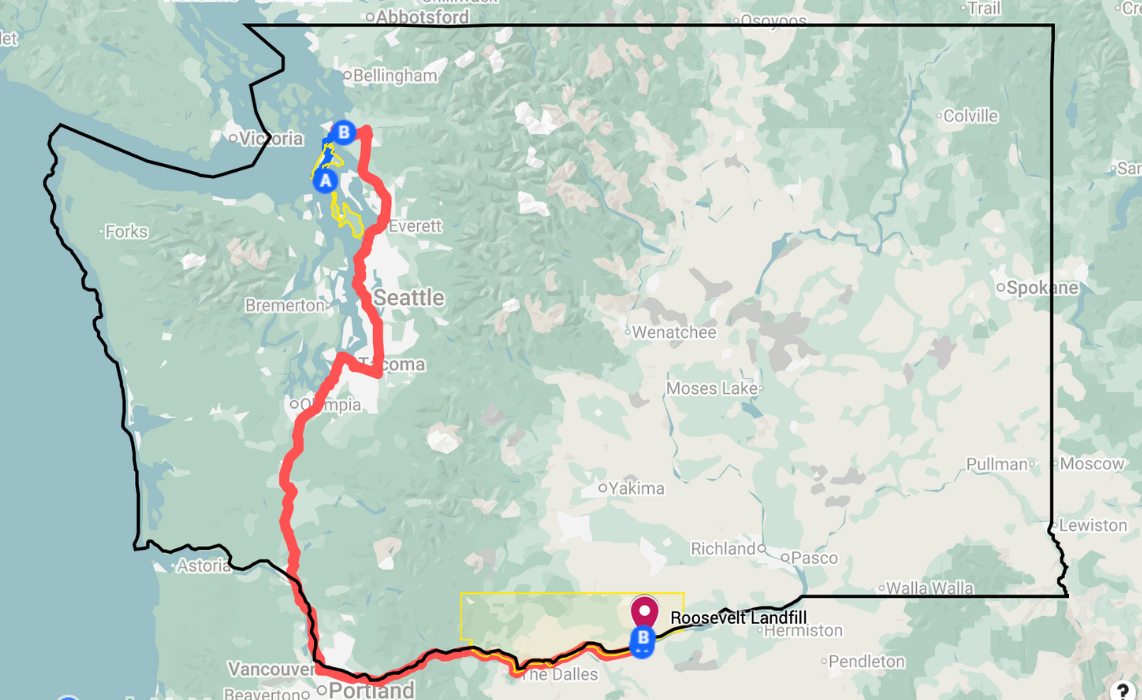
A 400+ mile trip to the landfill
That trash is shipped to Roosevelt Landfill, adding fuel use and emissions on top of the methane food scraps produce once they're buried.
Getting compost from off the island
Local farms and gardeners pay to bring in compost and soil amendments, so Whidbey relies on outside facilities both to take its food scraps away and to supply the soil it needs to grow food.
One hauler per service area
Washington law gives one state-certified hauler the exclusive right to collect garbage from homes in each service area, so residential food scrap pickup has to come through that hauler.
Composting is up to individuals
Keeping food scraps out of the trash falls to households and businesses, with little public funding for education. Smaller, low-tech methods that work well in rural places are less widely known than the single-bin, commercial-facility model.
The Current Systems on Whidbey Island
-
Processing food scraps close to where they're collected cuts hauling, fuel use, and emissions, and keeps them out of the landfill where they'd produce methane.
-
Farms and gardens get a local source of compost, so growing food here relies less on supplies from off the island. Households, schools, and businesses take part directly, and composting sites give people a place to learn about soil and where their food comes from.
-
With processing spread across several sites, a problem at one location doesn't shut down the whole network.
-
Finished compost adds organic matter and slow-release nutrients to soil and helps it take in and hold water, which reduces erosion and runoff.
-
Community composting creates local jobs and job training, and keeps the value of the island's food scraps in the local economy.
Solutions That Benefit Our Community
Community composting means food scraps from our community become compost for our community. Food scraps come in from household members and local restaurants, and the finished compost goes back out to farms and gardens on the island, including a yearly share for our members.
We process compost at a decentralized network of small sites on South Whidbey rather than one large facility, so scraps only travel a short distance. Each site uses proven methods, from aerated static piles to worm composting, designed to meet regulations, produce quality compost, and keep odors and pests away.
Where we work
Our kiosks, processing sites, and restaurant pickups are spread across South Whidbey. The map shows where everything is.
We are also involved with Island County's Solid Waste Advisory Committee, which is working on the county's new Solid Waste Management Plan.
Please note: our processing sites are not open to the public except by invitation.
Drop-off kiosks for household memberships
Members can drop off food scraps at any kiosk, and we empty them weekly.
McLeoud Alley, behind The Commons in Langley
rePurpose Reuse and Recycling Center in Langley
Opening soon:
Bayview Corner
Mutiny Bay Blues in Freeland
Off-Kilter Farm in Langley
Restaurants and businesses we collect from
The Commons Cafe
Whidbey Island Nourishes
South Whidbey Tilth
The Braeburn Cafe
Island Shakespeare Festival
If your kitchen is interested, get in touch and we'll talk through what collection would look like for you.
Partners who make it possible
rePurpose Whidbey. Hosts a kiosk and works with us on zero waste events.
The Commons Cafe & Books. Hosts our Langley kiosk.
Rainy Day Flora. Hosts a processing site and shares equipment.
Mutiny Bay Blues. Hosting a Freeland kiosk and processing site, opening soon.
Off-Kilter Farm. Hosting a kiosk and processing site, opening soon.
Meet the Whidbey Compost Collective Team
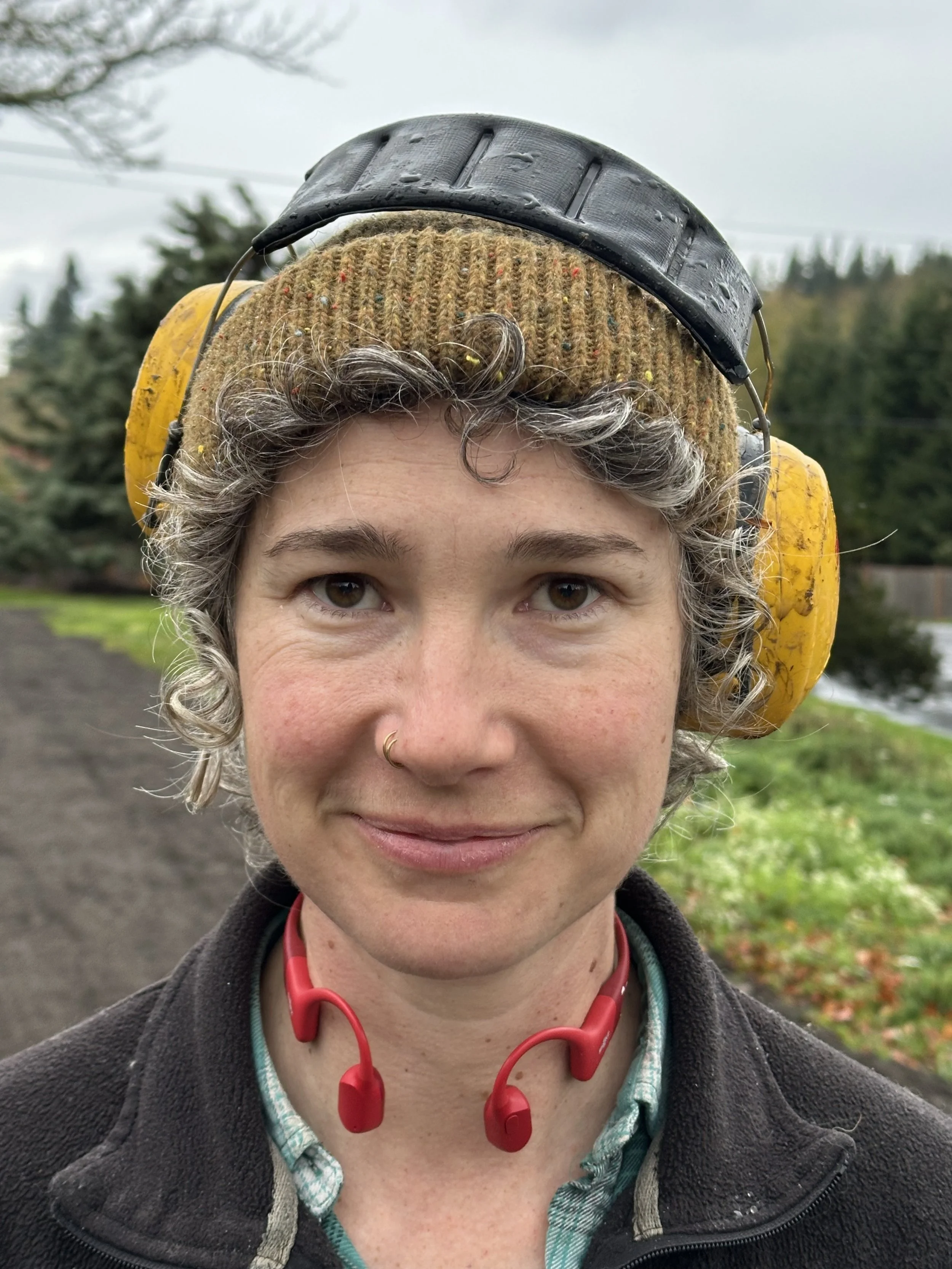
Jumanji Oliana
she/her
Jumanji has lived on Whidbey Island since 1989 and has dedicated much of her career to native plants and sustainable land management. Through her work, she recognized the critical need for high-quality compost on Whidbey Island to enhance soil health and support ecosystem resilience. She holds a degree in Environmental Science and Political Economics from The Evergreen State College.
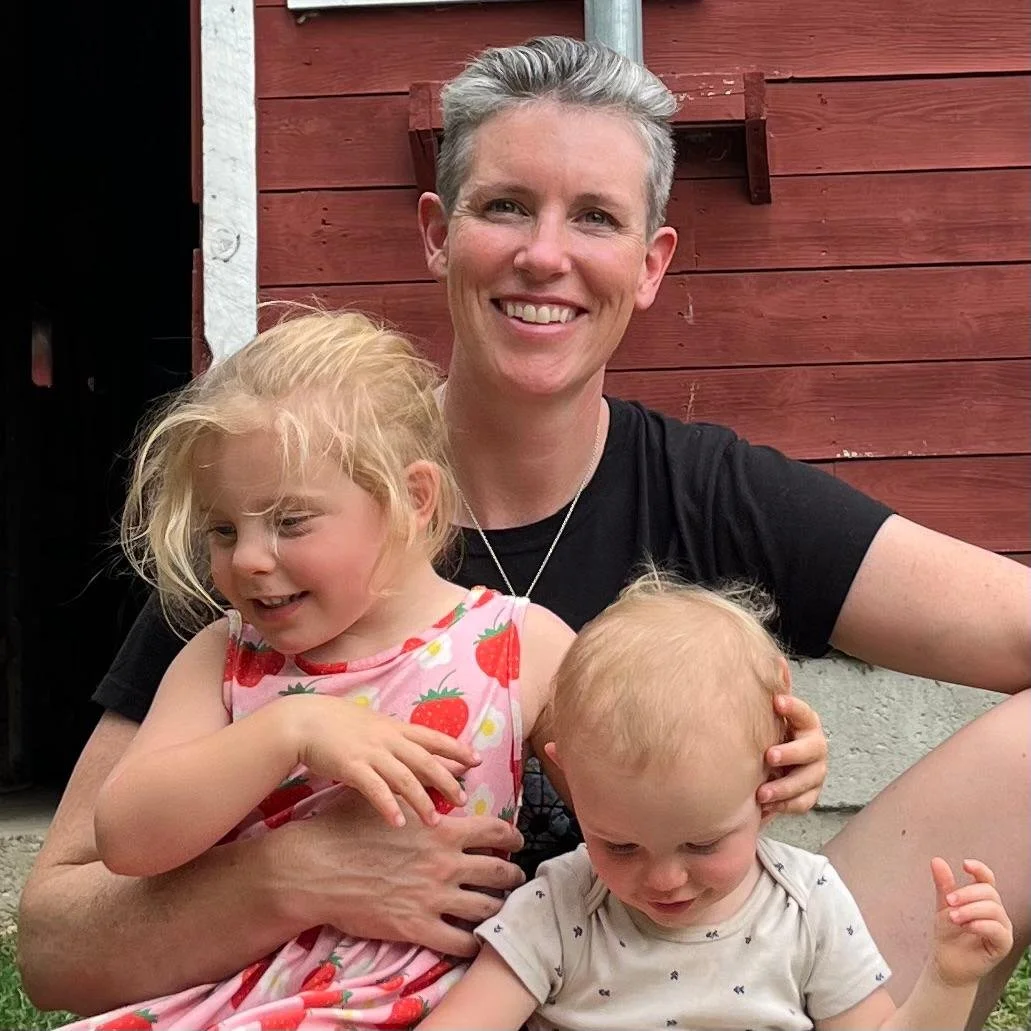
Megan Thistle
she/her
Megan was born in our fair capital Olympia, WA. She has enjoyed living around the Pacific and Inland NW as well as in the Adirondacks of Upstate NY. She holds a B.S. in Community Health/Health Education from Western Washington University and Certificates in Holistic Design and Permaculture Design from Bastyr University. Megan is currently seeking balance amidst the chaos of children, landscaping work, and a passion for systems that inspire joy and community resilience.
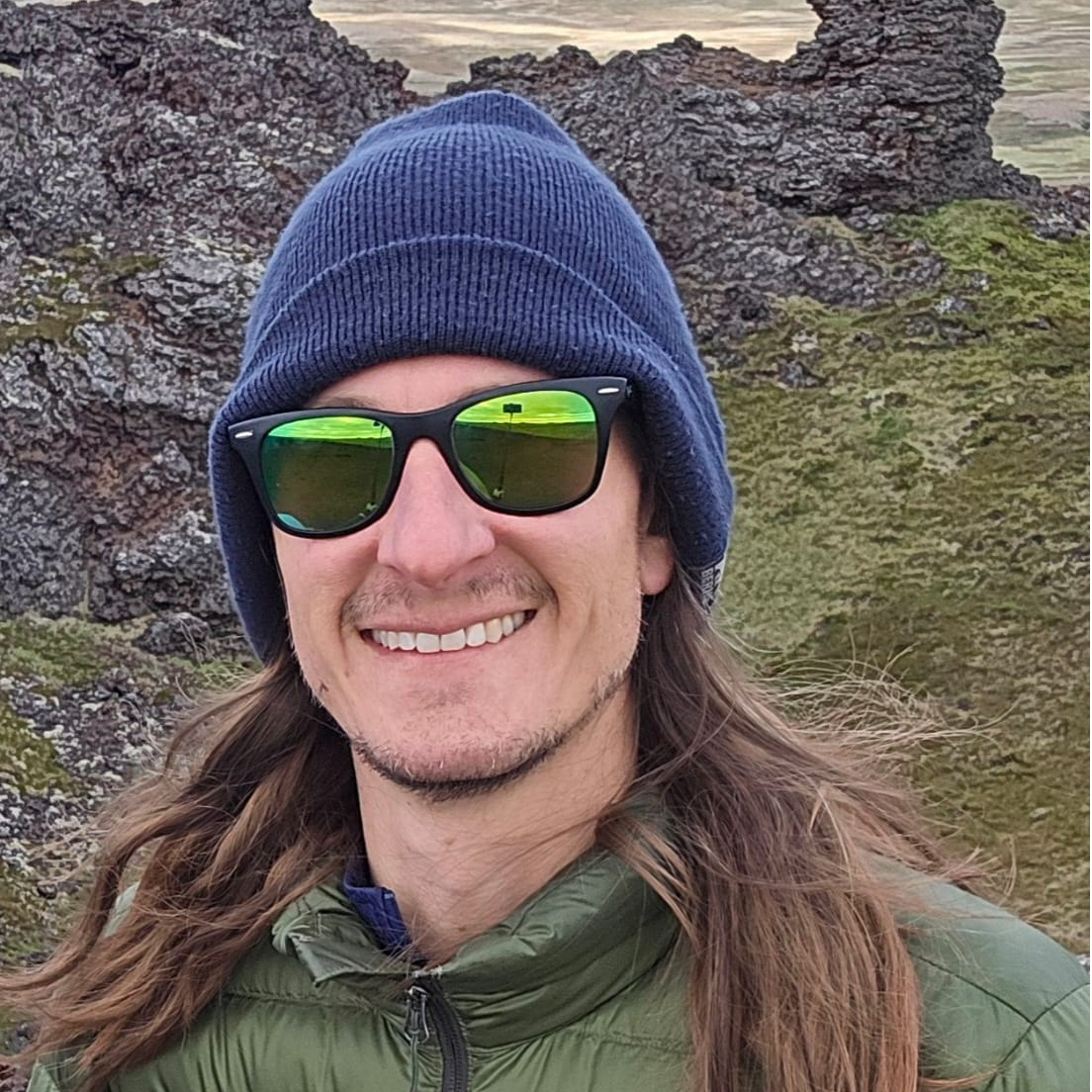
Aaron Bowman
he/him
Aaron is a civil engineer who grew up on a family farm in the Shenandoah Valley of Virginia. He has a degree in Biological Systems Engineering from Virginia Tech. He is passionate about turning waste streams into resources.
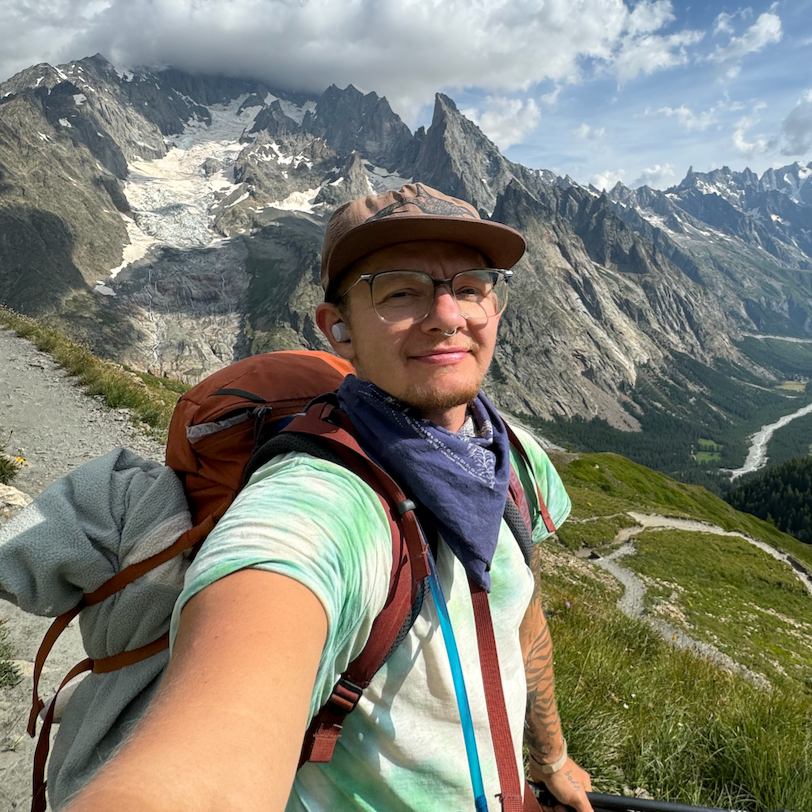
Max Hart
they/them
Max grew up on Whidbey Island and recently returned home to put down roots. They hold a Bachelor of Arts in Photography and Rhetoric from The Evergreen State College and are in the process of getting a Master in Nonprofit Leadership. As a certified leadership coach, community builder, and long-distance backpacker, Max is committed to helping people connect with what matters, and believes in the power of communities to care for each other and the land they live on.
Jonathan Bryant
he/him
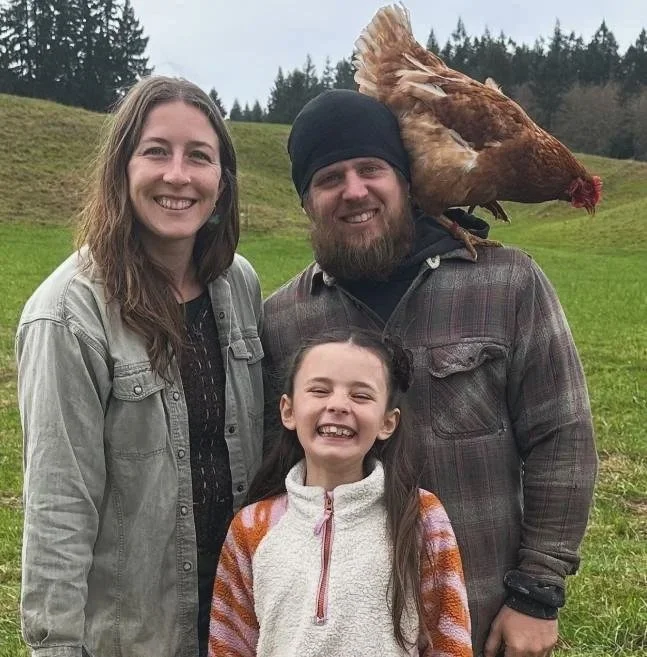
Jonathan was raised on Whidbey Island and is often found in the Fossek fields (Langley) ~ managing and running Off Kilter Farm ~ producing organically fed, pasture raised eggs to the local community. At its core – farming requires you to consider all aspects of waste and the cycles of life. This journey has led him to believe that at the end of the day – we are all a bunch of worm food! From food to humans - what we do with our waste is essential to our impact on the environment.